







Blog
Where to Buy Quality Handmade Wooden Furniture Online in Pakistan


There’s a specific kind of anxiety that comes with buying furniture online. You’re not picking up a t-shirt you can return if the size is off — you’re committing to a bed frame or a dining table that costs a decent chunk of money, takes up real space in your home, and is genuinely annoying to send back if it turns out to be nothing like the photos. And with wooden furniture especially, photos can lie in ways that are hard to catch until the piece is sitting in your living room.
So it’s a fair question, and one more Pakistani shoppers are asking every year: where do you actually go to buy handmade wooden furniture online without ending up with something that looks fine in a picture and falls apart in six months?
This guide walks through exactly that — what “handmade” is supposed to mean, how to judge craftsmanship through a screen, what wood types you should actually know before buying, and how to tell a trustworthy online furniture store from one that’s just good at photography.
Why Buying Furniture Online in Pakistan Is Different (and Trickier)
Furniture shopping used to mean physically walking into a shop, running your hand across a tabletop, opening a few drawers, maybe even sitting on the sofa before deciding. Online shopping removes almost all of that. You’re trusting photos, descriptions, and reviews from strangers to make a decision that’s expensive to get wrong.
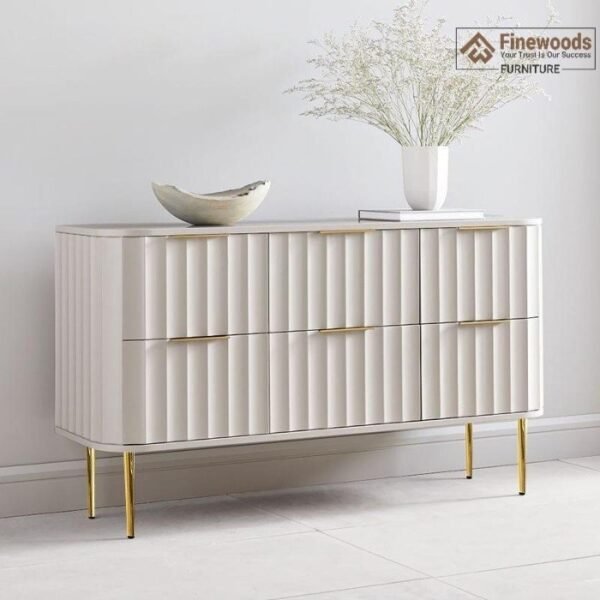
Adlin Chester Drawer
Original price was: ₨75,000.00.₨72,500.00Current price is: ₨72,500.00.Aefa Nesting Table – Center Table
Original price was: ₨70,000.00.₨58,000.00Current price is: ₨58,000.00.Aela coffee table
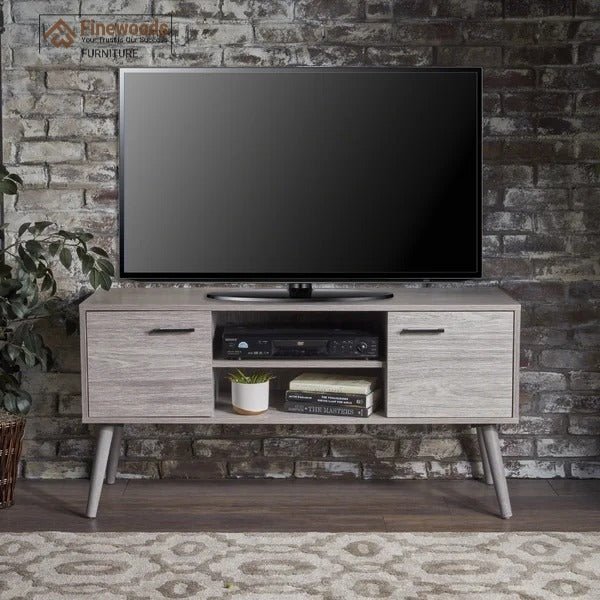
Original price was: ₨51,000.00.₨48,000.00Current price is: ₨48,000.00.Aentina Lcd Console
Original price was: ₨43,000.00.₨40,500.00Current price is: ₨40,500.00.


This is a bigger deal with furniture than with most other online purchases, for a few reasons. First, size and proportion are hard to judge from photos — a wardrobe that looks reasonably sized on your screen might turn out to be enormous once it’s actually delivered. Second, quality issues in wood and joinery often aren’t obvious until you can physically inspect the piece — poor sanding, weak joints, or a thin veneer disguised as solid wood can all hide behind good lighting and a well-angled photo. And third, furniture is genuinely hard and expensive to ship, so delivery reliability matters in a way it just doesn’t for something like clothing or electronics.
None of this means buying furniture online is a bad idea — plenty of people do it successfully every day, and it’s often more convenient and better priced than going shop to shop across the city. It just means you need to know what to actually look for.
What “Handmade” Really Means (and Why It’s Worth Paying For)
The word “handmade” gets thrown around loosely in furniture marketing, so it’s worth being clear about what it should mean. Genuinely handmade wooden furniture is built by skilled artisans using traditional joinery techniques — dovetail joints, mortise-and-tenon construction, hand-carved detailing — rather than mass-produced on an assembly line with machine-cut, standardized parts glued or nailed together.
The difference isn’t just about romanticizing craftsmanship for its own sake. Hand-joined furniture genuinely tends to hold up better over time. A dovetail joint on a drawer, for instance, gets stronger under stress rather than pulling apart the way a glued or stapled joint often does after a few years of daily use. Hand-carved detailing also tends to have small, natural variations that machine-cut patterns don’t — which some buyers see as a flaw and others see as proof the piece was actually made by a person rather than stamped out in bulk.
That said, not every online furniture store selling “handmade” pieces is being fully honest about it, which is exactly why knowing what to check for matters.
What to Look for in Craftsmanship (Even Without Touching the Piece)
You can actually catch a lot of quality issues just by paying close attention to how a store presents its products online.
Close-up photos, not just full-piece shots. A store confident in its craftsmanship will usually show you close-ups of joints, drawer interiors, carving detail, and the wood grain itself — not just a single polished hero shot from across the room. If every product photo is a wide shot with soft lighting and nothing closer, that’s worth noticing.
Specific wood information, not vague claims. “Made from solid wood” doesn’t tell you much on its own — solid what wood? Sheesham, mahogany, walnut, and pine all behave differently and are priced differently. A store that names the actual wood species used is generally being more transparent than one that keeps things vague.
Consistent detailing across the catalog. If you scroll through several products and the carving style, finish quality, and joinery all look consistent, that’s a decent sign of an actual in-house workshop rather than a reseller sourcing random pieces from wherever’s cheapest that month.
Customer photos, not just studio shots. Reviews with real customer photos — furniture in an actual home, not a showroom — are one of the most useful things you can look for. They show you what the piece actually looks like once it’s out of professional lighting and sitting in a normal room.
A Quick Refresher on Wood Types
Since wood type affects both price and durability, it’s worth knowing the basics before you start comparing stores.
Sheesham (rosewood) is the most common choice in Pakistan for good reason — it’s dense, durable, and naturally resistant to termites, which matters a lot given the local climate. It has a deep brown tone that tends to look richer with age.
Mahogany sits a step up in price, with a smoother grain and a slightly more formal, reddish-brown appearance.
Walnut offers a darker, richer tone that suits more modern or minimalist furniture styles, though it’s a touch softer than sheesham and can show surface scratches more easily.
Pine and other softwoods are lighter and cheaper, but also less durable — a reasonable choice for budget pieces, less ideal for something you want to keep for fifteen years.
Engineered wood (MDF or plywood with veneer) shows up a lot in budget and mid-range furniture. It’s not automatically bad, but it doesn’t hold up the same way in humid conditions, and it’s genuinely not the same thing as solid wood — even when a listing describes it loosely as “wood furniture.”
If a store is upfront about which of these you’re actually getting, that alone tells you something about how trustworthy the rest of their listings probably are.
How to Evaluate an Online Furniture Store Before Ordering
Beyond the individual product, the store itself deserves scrutiny. Here’s what actually matters.
Catalog Size and Specificity
A large, well-organized catalog with detailed categories — bedroom sets, sofas, dining tables, individual wood types — usually signals an established business rather than a small reseller flipping a handful of items. It’s also just more useful for you as a shopper, since you can actually compare options within a category instead of settling for whatever’s available.
Pricing Transparency
Watch for clear, upfront pricing rather than “contact us for price” on every listing, which often means prices shift depending on who’s asking or how much a seller thinks they can charge that day. Transparent stores list their prices plainly and explain what’s included — delivery, assembly, warranty — without you having to chase down a sales rep for basic information.
Delivery Track Record
This deserves its own section, because it’s one of the most overlooked factors — see below.
Return and Warranty Policy
A store confident in its craftsmanship will usually offer some kind of warranty on joints and hardware, along with a clear return or exchange policy if a piece arrives damaged or doesn’t match the listing. Vague or missing policies are a red flag, not a minor detail to skip past.
Reviews Across Multiple Platforms
Check reviews not just on the store’s own website (which they control) but also on Google, Facebook, or Instagram, where feedback is harder to filter or hide. A consistent pattern of complaints about delivery delays or product mismatches across independent platforms is worth taking seriously, even if the store’s own site looks spotless.
A Real, Traceable Business
Look for a proper business address, active customer support contact, and — ideally — a physical showroom or workshop you can reference, even if you’re buying online. Stores that operate with zero traceable presence beyond a social media page are a bigger risk, especially for a purchase this size.
Why Delivery Reliability Matters More With Furniture
Furniture is heavy, bulky, and genuinely difficult to ship without damage, which makes delivery a much bigger factor than it would be for smaller online purchases.
Before ordering, it’s worth checking a few specific things: does the store use proper protective packaging designed for furniture, rather than generic wrapping? Do they offer assembly or installation as part of delivery, or are you left to put together a wardrobe on your own with no instructions? And do they give a realistic delivery timeline upfront, rather than a vague “a few weeks” that stretches into months?
Handmade furniture in particular often takes longer to produce than mass-manufactured pieces, since it’s not sitting pre-built in a warehouse — it may be made to order. That’s not a bad thing, but a trustworthy store should be upfront about it rather than promising fast delivery and then going quiet for weeks.
Red Flags Worth Watching For
A few warning signs are worth calling out directly, since they show up often enough to be worth remembering:
Prices that seem dramatically lower than every other store for what’s supposedly the same solid wood and craftsmanship — this usually means engineered wood or lower-grade materials are being sold under vague “wood furniture” language.
Product photos that look suspiciously polished or identical across multiple unrelated stores, which often means they’re stock images rather than actual photos of what you’ll receive.
No reviews at all, or reviews that all read strangely similar in tone and phrasing.
Payment that’s only accepted via unclear methods with no receipt or order confirmation — a legitimate business should have a proper, trackable order and payment process.
Where Finewoods Fits Into All of This
Given everything above, it’s worth looking at what a trustworthy example actually looks like in practice — and Finewoods is a solid one to point to in the Pakistani market. The platform combines genuine artisan craftsmanship with the kind of transparency this guide has been describing throughout: a large, well-organized catalog spanning bedroom sets, sofas, dining furniture, and more, clear and upfront pricing rather than vague quote-on-request listings, and detailed product information that actually names the wood types used instead of hiding behind generic “solid wood” language.
Aenne Lcd Console
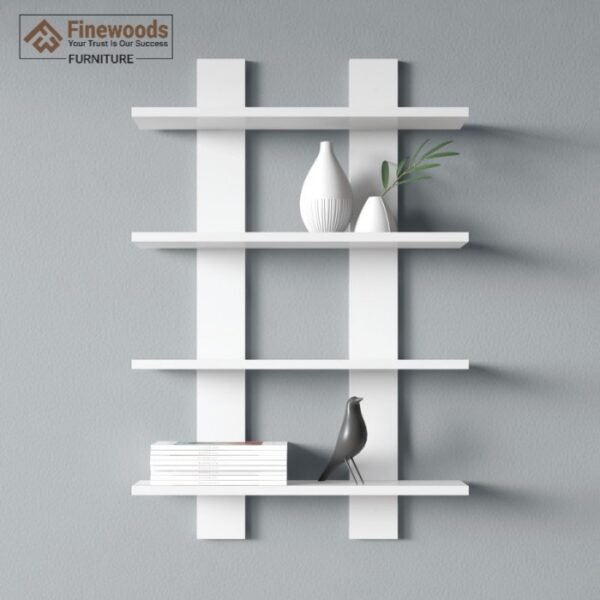
Original price was: ₨46,000.00.₨41,500.00Current price is: ₨41,500.00.Ajeni Shelf
Original price was: ₨20,000.00.₨16,500.00Current price is: ₨16,500.00.Akla Mirror
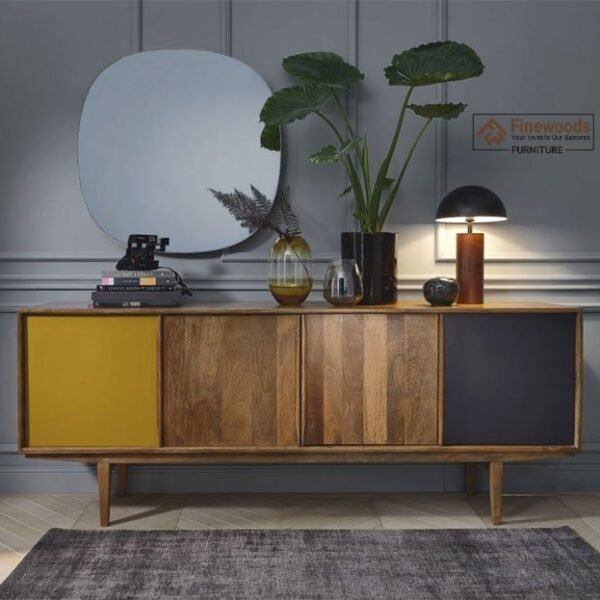
Original price was: ₨33,000.00.₨29,000.00Current price is: ₨29,000.00.Ajax Sideboard
Original price was: ₨70,000.00.₨63,999.00Current price is: ₨63,999.00.


What makes Finewoods a particularly relevant reference point here is that it was built specifically to solve the trust problem this article has been walking through — bridging traditional handcrafted furniture-making with a genuinely reliable online shopping experience, rather than treating the website as an afterthought bolted onto a small workshop. For Pakistani shoppers who want the durability and character of handmade wooden furniture without the guesswork of vetting an unfamiliar seller from scratch, it’s a natural place to start comparing options.
A Few Practical Tips Before You Order
Measure your space properly before adding anything to cart — furniture always looks smaller on a screen than it turns out to be in a room. If a store allows it, ask for a couple of extra close-up photos or even a short video of the specific piece, especially for higher-priced items — a reputable seller generally won’t mind the request. Start with a smaller purchase first if you’re new to a particular store, both to test delivery quality and to see the craftsmanship in person before committing to a full bedroom set or living room order. And always keep a copy of your order confirmation and any communication about delivery timelines, just in case you need to reference it later.
Buying handmade wooden furniture online in Pakistan doesn’t have to be a gamble, but it does require a bit more attention than clicking “add to cart” on the first nice-looking product you find. Look past the polished hero photos, check for real craftsmanship details, understand what wood you’re actually paying for, and take delivery reliability seriously before you commit. Do that, and you’ll end up with furniture that looks as good in your home five years from now as it did in the listing photo the day you bought it.