







Blog
The Ultimate Guide to Minimalist Home Decor: Less Clutter, More Peace

In today’s fast-paced, constantly connected world, our minds are always processing information. From the moment we wake up to the time we go to bed, we are surrounded by noise, notifications, and visual distractions. Because the outside world is so chaotic, our homes should be the exact opposite. Your home should be a safe haven, a quiet retreat where you can relax, recharge, and breathe easily.
This is exactly where minimalist home decor comes into play.
Minimalism is not just a passing design trend; it is a lifestyle choice. It is about intentionally stripping away the unnecessary so you can focus on what truly matters. If you have ever felt overwhelmed by the amount of “stuff” in your house, or if you simply love the look of clean, open, and airy spaces, this guide is for you.
In this comprehensive article, we will explore everything you need to know about minimalist home decor. We will cover the core rules, the incredible mental health benefits, and a simple, step-by-step, room-by-room guide to transforming your living space.
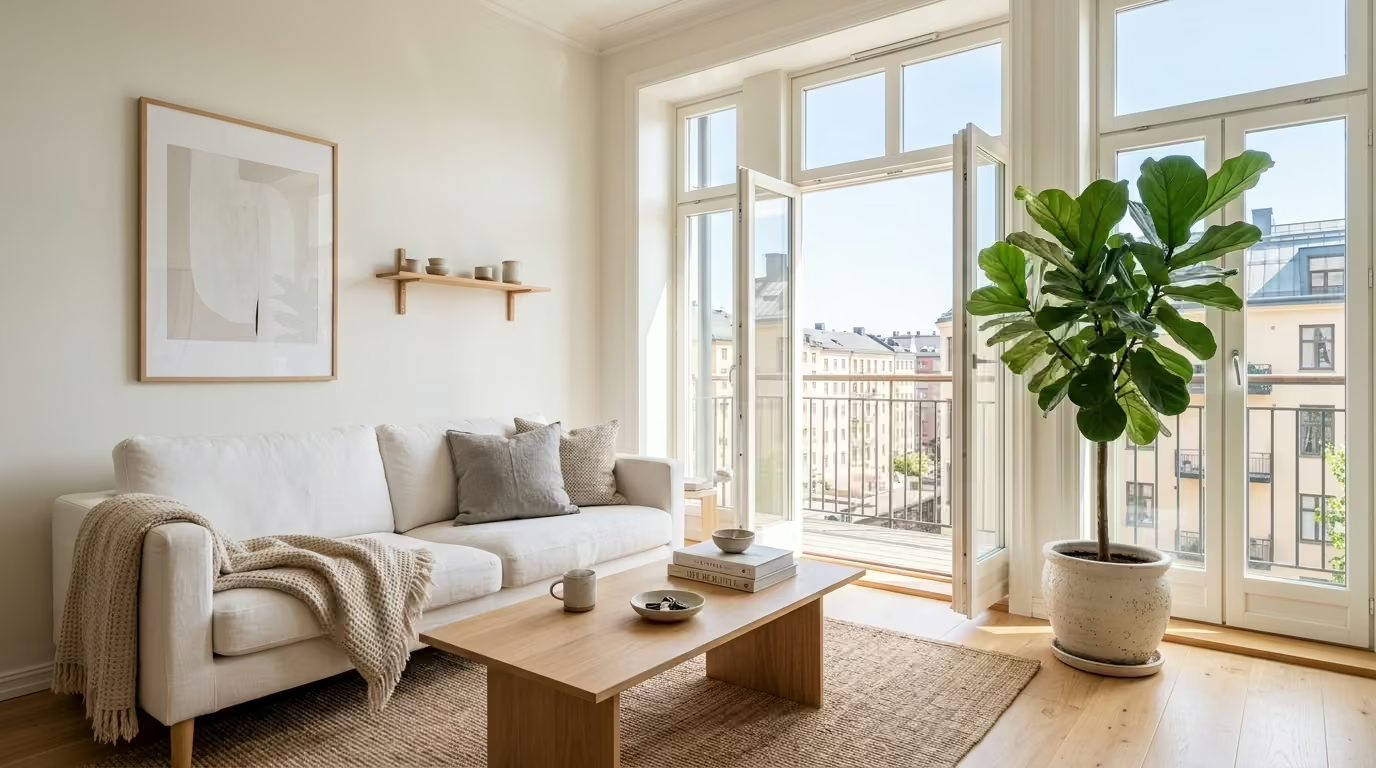
What Exactly is Minimalist Home Decor?
When some people hear the word “minimalist,” they immediately picture a cold, empty room with one uncomfortable chair and a harsh white lightbulb. This is a massive misconception! True minimalist home decor is not about living in an empty box or depriving yourself of comfort.
Instead, minimalist design is about intentionality. The famous motto for this design style is “less is more.” It means surrounding yourself only with items that serve a specific purpose or bring you genuine joy.
In interior design, minimalism focuses on:
- Clean, straight lines instead of heavy, ornate details.
- Uncluttered surfaces and open floor plans.
- A neutral, calming color palette.
- An emphasis on natural light.
- Quality over quantity when it comes to furniture and decorations.
By removing the excess, you allow the beautiful, essential pieces in your home to truly stand out.
The Core Principles of Minimalist Design
If you want to master minimalist home decor, there are a few foundational principles you need to keep in mind. Following these rules will ensure your home looks purposefully designed rather than just empty.
1. Form Follows Function
Every single piece of furniture in a minimalist home should have a clear, functional purpose. Before you buy a new table, chair, or decorative item, ask yourself: What is this for? If it does not serve a practical purpose or significantly enhance the beauty of the room, you probably do not need it.
2. The Power of Empty Space
In the design world, empty space is called “negative space.” In a maximalist home, every wall is covered in pictures, and every corner has a piece of furniture. In a minimalist home, empty space is celebrated. Leaving a wall blank or a corner empty gives your eyes a place to rest and makes the room feel much larger than it actually is.
3. Let the Light In
Light is a crucial element of minimalist home decor. Heavy, dark curtains block out the sun and make a room feel smaller. Minimalist spaces rely heavily on natural light. Bare windows, sheer white curtains, and strategically placed mirrors help bounce sunlight around the room, making it feel fresh and energetic.
Why Choose Minimalism? The Mental and Practical Benefits
Choosing to adopt minimalist home decor goes far beyond just making your house look like it belongs in a magazine. The benefits impact your daily routine, your wallet, and your mind.
- Reduced Stress and Anxiety: As discussed in our guide on wooden shoe racks and entryway organization, physical clutter directly causes mental clutter. When your home is messy, your brain is constantly reminded of tasks you need to do (like cleaning or organizing). A minimal home provides instant visual relief and lowers your stress levels.
- Easier to Clean: Think about how long it takes to dust a shelf covered in twenty tiny statues versus a shelf with one beautiful vase. Less stuff means less cleaning, giving you more free time to do things you actually enjoy.
- Saves You Money: When you adopt a minimalist mindset, you stop buying cheap, impulsive items. Instead, you save your money to invest in high-quality, durable pieces that will last for years.
- Makes Small Homes Feel Huge: If you live in a small apartment, heavy furniture and clutter will make it feel like a tiny box. Minimalist decor, with its light colors and elevated furniture, creates the illusion of a much larger, more expansive space.
The Room-by-Room Guide to Minimalist Home Decor
Now that we understand the “why,” let’s dive into the “how.” Here is how you can apply minimalist home decor to every room in your house.
The Minimalist Living Room: Your Calm Gathering Space
The living room is where you relax and entertain guests. It should be comfortable but entirely free of clutter.
- The Sofa: Choose a sofa with clean lines and neutral colors like grey, beige, or soft white. Avoid loud, busy floral patterns.
- Coffee Table: Opt for a simple wood or glass coffee table. Keep the top completely clear, except for perhaps one carefully chosen item, like a stack of two nice books or a small plant.
- Media Console: Wires and cables are the enemies of minimalism. Hide your TV cords inside the wall or use a sleek media console with solid doors to hide your electronics, gaming consoles, and remote controls.
The Minimalist Bedroom: A Sanctuary for Sleep
Your bedroom should be designed for one main purpose: restful sleep.
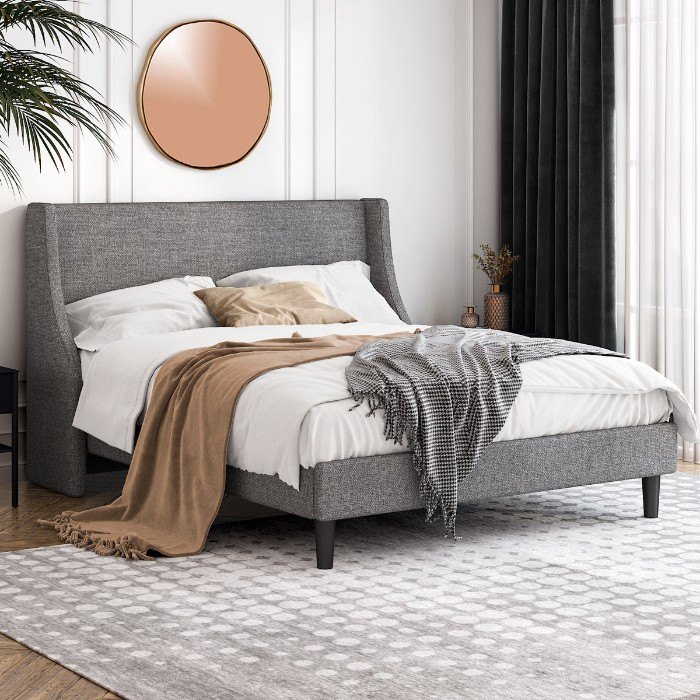
- The Bed: The bed is the focal point. Use simple, high-quality, solid-colored bedding (like crisp white cotton or soft grey linen).
- Nightstands: Keep your nightstands incredibly bare. All you need is a reading lamp, a clock, and perhaps a glass of water. Put your charging cables and hand creams inside the drawers out of sight.
- Wardrobe: Keep your clothing hidden away in a closet or a sleek, closed wardrobe. Avoid open clothing racks in a minimalist bedroom, as seeing all your clothes can feel visually chaotic.
The Minimalist Kitchen: Clean and Functional
The kitchen is a workspace, and workspaces need to be organized to function properly.
- Clear Counters: This is the most important rule of a minimalist kitchen. Put the toaster, blender, and coffee maker away inside your cabinets when they are not in use. Clear countertops instantly make the whole kitchen look spotless.
- Cabinet Hardware: If you are renovating, choose sleek, handle-less cabinets, or opt for simple, thin metal pulls in matte black or brushed nickel.
- Open Shelving (With Caution): If you have open shelves, do not overstuff them. Display only a few identical plates, bowls, or matching glass jars for your dry goods.
The Minimalist Bathroom: A Spa-Like Retreat
Bathrooms are often the most cluttered rooms in a house, filled with half-empty shampoo bottles and old makeup.
- Declutter the Sink: Keep all your daily toiletries inside the medicine cabinet or vanity drawers. The only thing that should live on your sink is a nice bottle of hand soap.
- Uniform Towels: Replace your mismatched, multi-colored towels with a matching set of plush white or soft grey towels. This instantly makes your bathroom feel like a luxury spa.
How to Add Warmth to Minimalist Home Decor
One of the biggest fears people have is that minimalist home decor will feel sterile, boring, or like a hospital waiting room. To prevent this, you must introduce warmth through texture and natural elements, rather than through clutter and loud colors.
1. Rely on Texture, Not Color
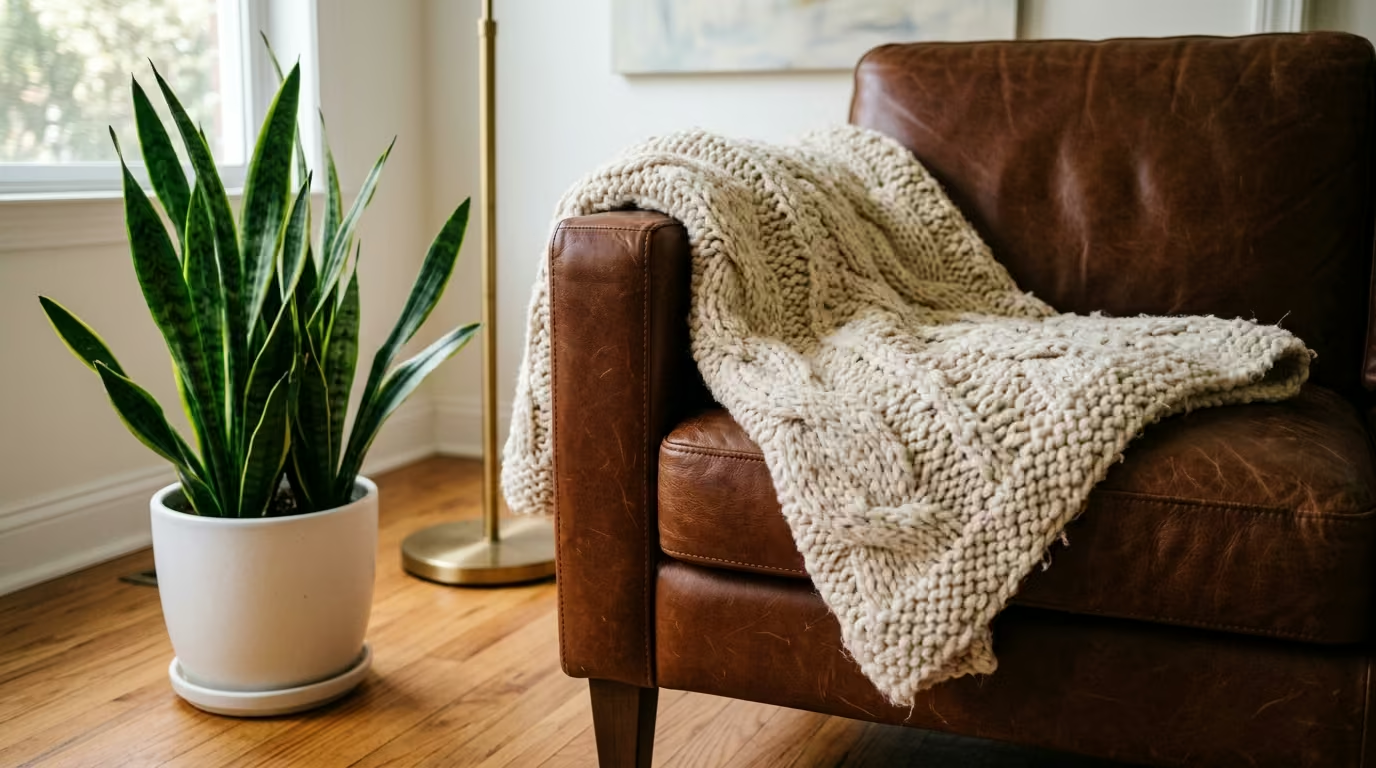
Since your color palette will mostly consist of whites, greys, and earthy tones, you need to use different textures to make the room interesting. Mix a smooth leather chair with a chunky knit wool blanket. Pair a sleek glass table with a fluffy, soft rug. These contrasting textures create coziness without adding visual noise.
2. Bring Nature Indoors
Plants are the ultimate minimalist decor item. A large, leafy green plant like a Monstera, Snake Plant, or Fiddle Leaf Fig adds a vibrant pop of color and life to a neutral room. Plus, plants help purify the air!
3. Use Natural Wood
Wood brings incredible warmth to any space. Whether it is a light oak dining table, floating wooden shelves, or wooden shoe racks in the hallway, the natural grain of the wood softens the harshness of white walls and straight lines.
How to Start Decluttering: The Minimalist Method
You cannot have minimalist home decor if you have too much stuff. Decluttering is the very first step, and it is often the hardest. Here are some simple, straightforward tips to get you started:
- The “One In, One Out” Rule: For every new item you bring into your home (a new shirt, a new book, a new decor piece), you must donate, sell, or throw away one old item. This ensures your clutter never grows.
- The 90-Day Rule: Look at an item and ask yourself: Have I used this in the last 90 days? Will I use it in the next 90 days? If the answer to both is no, it is time to let it go.
- Start Small: Do not try to declutter your entire house in one weekend. You will get exhausted and give up. Start with one small area—like a single kitchen drawer or your entryway shoe storage. Once you see how good that one small space looks, you will have the motivation to tackle the rest of the house.
Common Mistakes to Avoid in Minimalist Design
Even with the best intentions, people often make a few common mistakes when trying to create a minimalist home. Watch out for these traps:
- Going Too White: While white walls are great, having white walls, white floors, white furniture, and white art is blinding and uncomfortable. Remember to ground the room with warmer tones, woods, and soft greys.
- Sacrificing Comfort for Style: A chair might look incredibly sleek and minimal, but if it hurts your back to sit in it, it is a bad piece of furniture. Minimalism should never come at the expense of your physical comfort.
- Hiding Everything in Closets: Shoving all your clutter into a closet where you can’t see it is not minimalism; it is just hiding the mess. True minimalism means actually getting rid of the excess stuff so your closets are organized and breathable, too.
Frequently Asked Questions (FAQs)
Can I have color in a minimalist home? Absolutely! While neutral bases (white, beige, grey) are the standard, you can certainly incorporate color. The trick is to use muted, earthy tones—like soft terracotta, sage green, or navy blue—rather than bright, neon colors. Use color as an accent, perhaps in a single piece of artwork or a throw pillow.
Is minimalist home decor expensive? It does not have to be! In fact, minimalism can save you a lot of money because you are buying fewer things. While some minimalist furniture brands are high-end, you can easily find clean, simple designs at affordable stores, or even upcycle older furniture to fit the aesthetic.
Is it possible to have a minimalist home with kids or pets? Yes, but it requires realistic expectations. With kids and pets, you need heavy-duty storage solutions. Invest in beautiful, large woven baskets or storage ottomans where toys can be quickly hidden out of sight at the end of the day. Minimalism with kids is more about quick reset routines than absolute perfection.
What kind of artwork works best for minimalist decor? Choose large, singular statement pieces rather than a busy gallery wall of 15 small frames. Abstract art, simple line drawings, or large-scale black-and-white photography work perfectly. The frames should be simple and thin, made of black metal or light wood.
How do I choose the right rugs for a minimalist space? Avoid rugs with complicated, chaotic, and overly colorful patterns (like traditional Persian rugs). Instead, look for rugs with subtle geometric patterns, solid colors, or natural materials like jute, sisal, or plain wool.
Transitioning to minimalist home decor is one of the best decisions you can make for your home and your mental well-being. By clearing out the clutter and focusing only on the things that serve a purpose or bring you joy, you create a living space that feels incredibly open, breathable, and deeply relaxing.
Remember, minimalism is not a strict set of rules meant to punish you. You do not have to throw away items you genuinely love just to fit an aesthetic. It is simply a tool to help you curate your environment so that your home supports you, rather than drains you. Start small, clear one surface at a time, and slowly enjoy the process of turning your home into a calm, stylish, and peaceful retreat.