







Blog
Sheesham vs MDF vs Solid Wood: Which One Actually Survives Pakistan’s Weather?

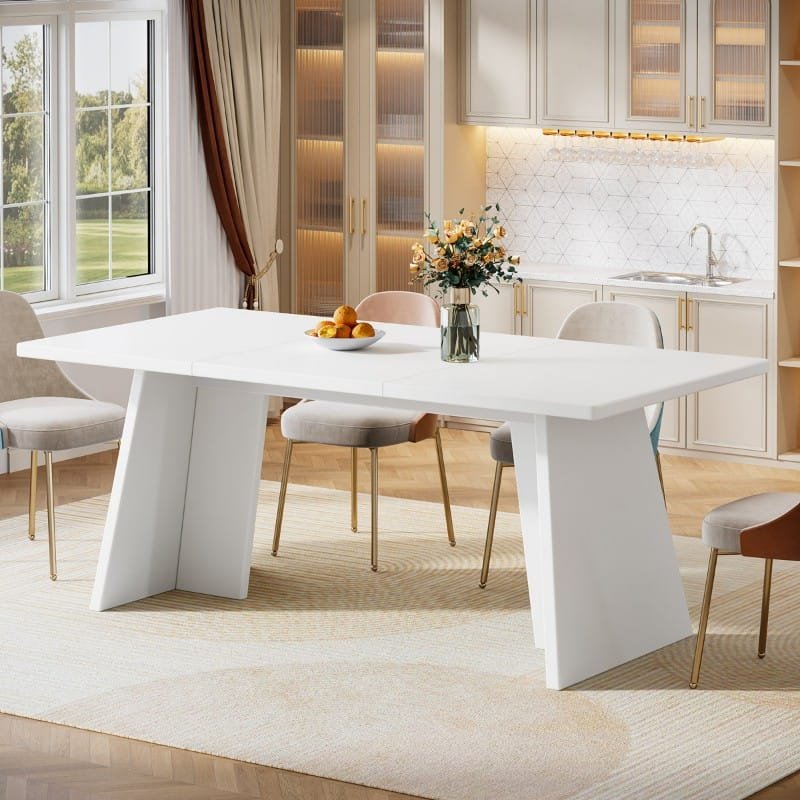
If you’ve ever stood in a furniture showroom in Lahore or Karachi, staring at two dining tables that look almost identical but are priced Rs. 40,000 apart, you already know the problem. Nobody tells you what you’re actually paying for. The salesman says “pure wood,” the tag says something vague, and you’re left guessing whether the extra money is buying you real durability or just a fancier finish.
We get this question constantly, and it’s usually framed the wrong way. People ask “which wood is best?” as if there’s one correct answer. There isn’t. There’s a right answer for a humid ground-floor flat in Karachi’s Clifton, a different one for a dry, air-conditioned bedroom in DHA Lahore, and yet another for a guest room in Islamabad that gets shut for months at a time. Pakistan doesn’t have one climate. It has at least three or four, and your furniture has to survive whichever one it’s living in.
So let’s actually break this down properly — what Sheesham, MDF, and solid wood really are, how each one behaves once humidity and heat get involved, and which one makes sense for your specific city, room, and budget.
Pakistan’s weather is harder on furniture than most people realize
Before comparing materials, it helps to understand what they’re actually up against.
Karachi sits on the coast, which means the air is loaded with moisture almost year-round, hovering around 45-55% average humidity even outside monsoon season. From July to September, sea breeze pushes that humidity higher while temperatures stay in the high 30s. It’s the kind of environment where wood doesn’t just get warm — it absorbs moisture from the air itself, whether or not it ever gets rained on.
Lahore and the rest of central Punjab face a different challenge. Summers regularly cross 45°C, sometimes touching 48°C, and the monsoon between late June and mid-September dumps a lot of rain in a short window — Lahore averages over 700mm of rain a year, most of it concentrated in July and August. So furniture there deals with brutal dry heat for months, then a sudden spike in humidity, then back to dry winters. That swing between extremes is actually more damaging to wood than constant humidity would be.
Islamabad is wetter overall, with humidity swinging from around 40% in spring to well over 65-70% during the monsoon months. Add the altitude and cooler temperatures, and you get a slower-drying environment — condensation and dampness linger longer than they would in Lahore’s dry heat.
Then there’s interior Sindh and parts of Balochistan, where places like Jacobabad and Sukkur see extreme dry heat, sometimes among the highest recorded temperatures anywhere in the world, with very low humidity. Furniture here faces the opposite problem: not swelling from moisture, but drying out, shrinking, and cracking, especially with air conditioners running non-stop and pulling whatever moisture is left out of the air.
This is exactly why “which wood is best” needs a location attached to it before it means anything.
Sheesham wood: the traditional favourite, and why it earned that reputation
Sheesham — also called Indian Rosewood, or by its botanical name Dalbergia sissoo — is the wood most people in Pakistan picture when they think “solid wood furniture.” It’s been used across the subcontinent for generations, and there’s a reason grandmothers’ bedroom sets made from it are still standing decades later.

It’s genuinely a hardwood, dense and strong, which is why it holds up well to daily use — kids climbing on chairs, dining tables getting bumped, drawers being yanked open a hundred times a week. The grain is naturally attractive too, with warm brown to reddish tones and darker streaks running through it, and because it’s a natural material, no two pieces look exactly alike. That’s part of the appeal for people who want furniture that doesn’t look mass-produced.
Sheesham also has a natural advantage against one of Pakistan’s biggest furniture enemies: termites. The wood contains natural oils that make it fairly unappealing to wood-boring insects, which matters a lot in a country where termite damage quietly destroys furniture people assumed was safe.
Here’s the part that gets glossed over in showrooms, though. Sheesham is not naturally waterproof, and it’s not particularly moisture-resistant compared to something like teak. In humid conditions — think Karachi in monsoon season, or a bedroom right next to an attached bathroom — untreated or poorly sealed Sheesham can absorb moisture and swell slightly, and over years, that can translate into sticking drawers, hairline cracks, or a warped tabletop. The fix isn’t complicated: a good quality polish or sealant, reapplied roughly once a year, keeps moisture from getting into the wood in the first place. Furniture that’s properly seasoned before manufacturing (meaning the wood was dried down to the right moisture content before being cut and assembled) resists this far better than furniture rushed through production with green, under-dried timber. That last point matters more than most buyers realize — two Sheesham tables can look identical and behave completely differently after a year, purely based on how well the wood was seasoned before it left the factory.
It’s also heavy. Moving a solid Sheesham wardrobe up two flights of stairs is a real undertaking, and it sits at a higher price point than engineered options, though still noticeably cheaper than imported hardwoods like teak.
MDF: the material people love to dismiss, and shouldn’t always
MDF — Medium Density Fiberboard — gets an unfair reputation in Pakistan as “cheap furniture that falls apart,” and that’s not entirely accurate. It’s an engineered wood product, made by breaking wood down into fine fibers and compressing them with resin under heat, and it’s genuinely useful for a lot of furniture, not just a corner-cutting substitute.
Because the surface is completely smooth and uniform, MDF takes paint, laminate, and high-gloss finishes beautifully — far more evenly than solid wood, which has grain and knots that show through paint. If you’ve seen furniture with a flawless glossy or matte painted finish, sharp clean edges, or intricate cut-out designs, there’s a good chance it’s MDF underneath. It’s also significantly cheaper than solid hardwood and, because it’s manufactured rather than grown, it doesn’t have the natural inconsistencies that solid wood does — every sheet behaves the same way, which is useful for large production runs and consistent pricing.
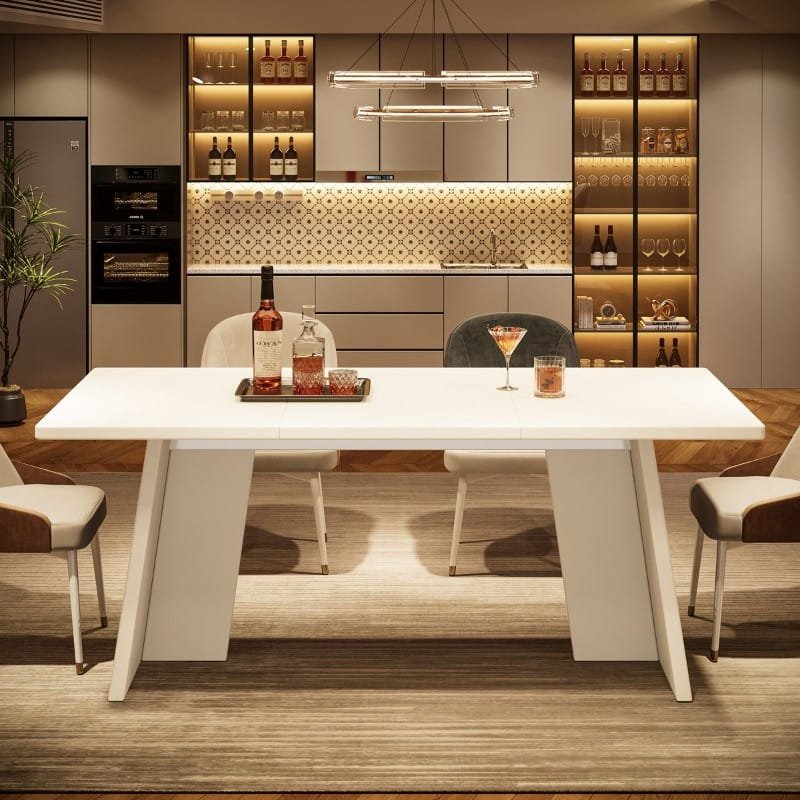
Now the honest downside, and it’s a significant one for Pakistan specifically: MDF and water do not get along. The fine wood fibers inside MDF absorb moisture readily, and once they do, the board swells, loses its bond strength, and in bad cases starts delaminating — the layers separating or the surface bubbling. This isn’t just about spilled water either. Sitting in a consistently humid room for long enough, even without a single drop of liquid touching it, can cause slow swelling at the edges. That makes standard MDF a poor choice for kitchens, bathroom-adjacent furniture, or ground-floor rooms in coastal cities during monsoon season, unless it’s moisture-resistant (MR) grade MDF, which is treated specifically to handle damp conditions, or it’s properly sealed on every edge and surface.
MDF also can’t bear heavy, sustained loads the way solid wood can — it’s not the material you want for a bed frame supporting weight every night for fifteen years, but it’s perfectly fine for a coffee table, a TV console, wall shelving, or decorative pieces that aren’t under constant stress.
“Solid wood” isn’t its own separate category — here’s the confusion
One thing worth clearing up: Sheesham is a solid wood. When people ask “Sheesham or solid wood, which is better,” they’re often comparing two things that overlap. What they usually mean is Sheesham versus other solid wood species — mango wood, ash wood, or various imported hardwoods that furniture makers use as alternatives, sometimes because they’re lighter, sometimes because they take certain finishes better, sometimes purely because of cost and availability.
The underlying rules mostly hold across solid wood species regardless of which tree it came from: it’s a natural material, so it expands slightly when the air is humid and contracts when the air is dry. That constant, tiny movement is normal, but in a climate that swings between monsoon humidity and bone-dry AC-cooled rooms — which describes most of Pakistan for at least half the year — it’s also exactly why solid wood furniture needs a season or two to “settle” in a new home, and why joints, drawers, and panel edges are the first places you’ll notice trouble if the wood wasn’t properly dried before manufacturing.
Putting them side by side
| | Sheesham (Solid Wood) | MDF | Other Solid Woods (Mango, Ash, etc.) | |—|—|—| | Moisture resistance | Moderate — needs sealing | Poor unless MR-grade or well sealed | Moderate, varies by species | | Termite resistance | Naturally good | N/A (not organic wood fiber in the same way, but not termite-proof either) | Varies, generally lower than Sheesham | | Weight-bearing strength | Excellent | Moderate | Good | | Cost | Mid-to-high | Budget-friendly | Mid-range | | Finish flexibility | Grain shows through, natural look | Smooth, ideal for paint/laminate/gloss | Depends on species | | Weight | Heavy | Moderate-heavy | Varies | | Best for | Long-term, heavy-use furniture | Decorative, low-stress, painted furniture | Alternative to Sheesham where lighter or different finish is wanted |
So which one should you actually buy?
If you’re in Karachi, especially anywhere near the coast or on a ground floor, and you’re buying something that stays in the room for a decade or more — a bed, a dining table, a wardrobe — solid Sheesham with a proper sealant coat is going to outlast an MDF equivalent by a wide margin. The humidity there simply isn’t kind to engineered board unless it’s specifically moisture-treated.
In Lahore, Islamabad, or anywhere in Punjab that deals with that hot-dry-then-monsoon-wet cycle, both materials can work, but the finish quality matters more than the material choice alone. A well-sealed piece, properly seasoned before assembly, handles the swing far better than an unsealed one, regardless of whether it’s Sheesham or MDF.
For interior Sindh and the drier parts of Balochistan, the concern flips — it’s less about swelling and more about cracking from constant dryness, especially with AC units running all summer. Solid wood benefits from occasional light polishing here too, partly to replace the natural oils and moisture the wood loses in that kind of heat.
And for budget-conscious buys — a kid’s study table, a shoe rack, a decorative console that isn’t going to take heavy daily punishment — MDF, done well, is a completely reasonable choice almost anywhere in the country, as long as it isn’t going somewhere consistently damp.
A few care habits that matter more than the material itself
Whichever you choose, the difference between furniture that lasts fifteen years and furniture that looks tired in three usually comes down to a handful of habits, not the wood species:
Keep furniture a few inches away from walls in humid rooms, so air can actually circulate behind it instead of trapping moisture. Wipe up spills immediately rather than letting them sit, especially on MDF pieces. Reapply polish or sealant on solid wood roughly once a year — most people only do this when the finish already looks worn, which is too late. And during long humid spells, especially monsoon season in Lahore or Islamabad, a simple room dehumidifier or even just keeping the AC running dry mode can genuinely extend the life of any wooden furniture in the room.
The bottom line
There’s no single winner here, and honestly, anyone who tells you one material is universally “better” is skipping the part where your city, your room, and your budget all matter. Sheesham earns its reputation for a reason — it’s strong, it’s naturally termite-resistant, and with basic care it genuinely lasts generations, which is exactly why it remains the backbone of Pakistani furniture-making. MDF isn’t the villain it’s sometimes made out to be either; it’s simply a different tool, better suited to painted, decorative, lower-stress pieces than to a dining table that needs to survive twenty years of daily family dinners.
What actually matters, more than the label on the tag, is whether the wood was properly seasoned before it was built, whether the finish was applied correctly, and whether you’re giving it basic care suited to your city’s weather. That’s the conversation worth having with whoever’s making your furniture — not just “what wood is this,” but “how was it prepared, and will it hold up here.”
If you’re not sure which material makes sense for your space, it’s worth asking the manufacturer directly rather than guessing from a showroom tag — at Finewoods, we build to order, which means the wood type, finish, and sealing can actually be matched to where the piece is going, rather than sold as a one-size-fits-all product.